
Junat 2.0: a calmer way to plan trips in Finland
Junat 2.0 brings clearer train and airport information, live tracking, localized pages and KAYAK-powered flight comparison into one progressive web app.
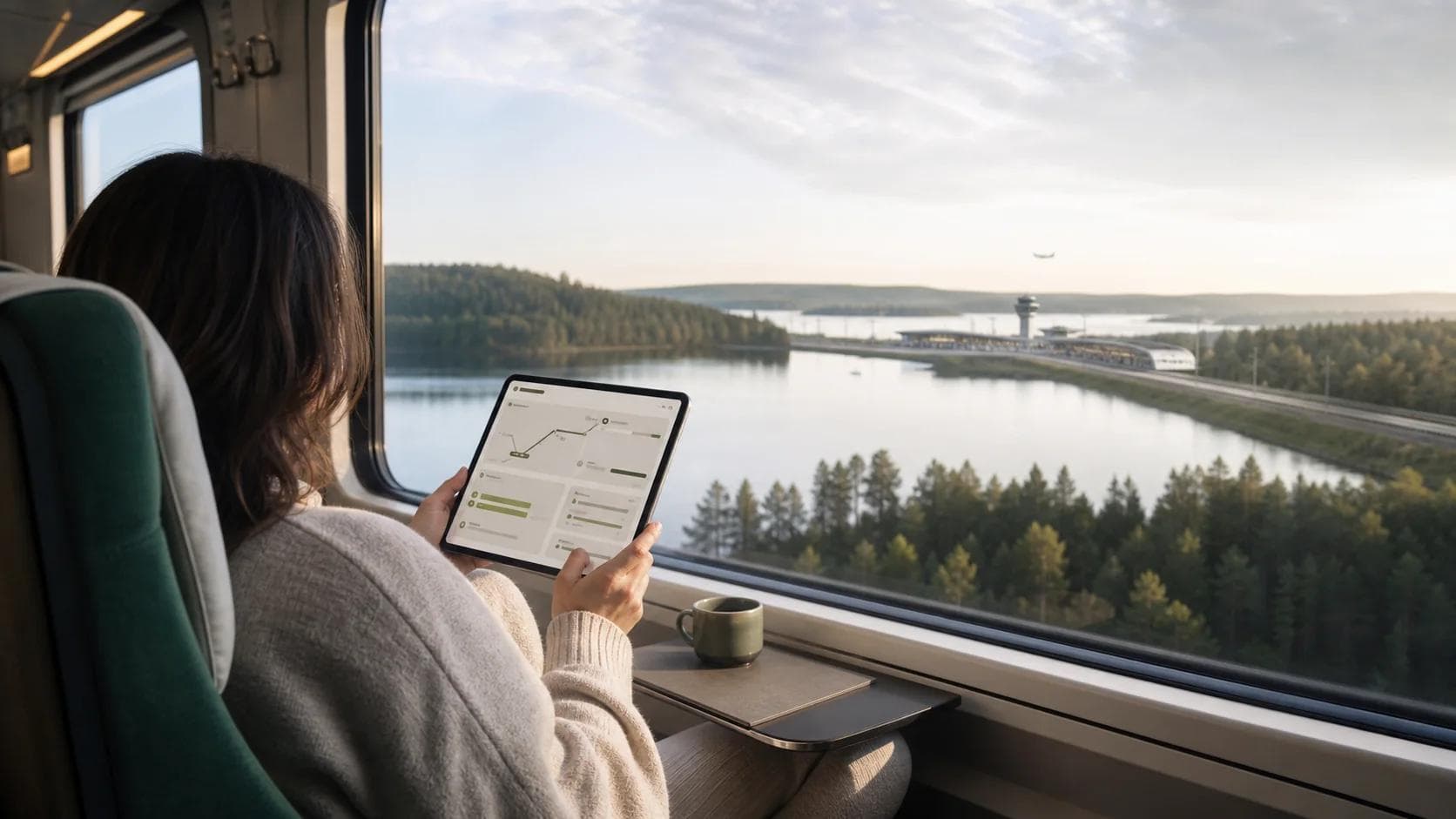
A calmer travel product
Junat 2.0 makes the moments around a journey easier to scan: checking a platform, following a train, viewing an airport board or comparing flights on a phone. Clear spacing, consistent controls and localized routes help the service feel like one product instead of separate tools.
A modern web foundation
The application now uses the Next.js App Router with server-rendered English, Finnish and Swedish routes. Server Components handle route and data work, while focused interactive areas handle searches, maps and live updates in the browser. The progressive web app manifest and service worker remain part of the experience.
Trains, airports and live context
Station pages, the live train map, train tracking and airport arrivals and departures remain central. Flight status pages combine official airport information with useful destination context, while optional aircraft-position data never blocks the core view.
Flight comparison with an external purchase
Flight search compares progressive KAYAK results. Results can arrive in phases, so Junat updates the current page while the search settles and supports moving through result pages without mixing old and new rankings.
When a traveller chooses a fare, Junat opens the airline or travel provider booking link returned by KAYAK. The external provider confirms the final price, collects passenger and payment details, issues the ticket and provides booking support. Junat does not run a flight checkout or take payment.
Why the release matters
Travel interfaces are judged in stressful moments. A vague label, overlapping mobile card or stale result quickly reduces trust. Junat 2.0 focuses on a fast first answer, clear data sources and an architecture that can evolve without making the experience heavier.
What comes next
The next phase is refinement: stronger accessibility and offline checks, better live-map usability, clearer route context, careful localization and continued performance work. The product direction remains simple: make Finnish travel information clear at the exact moment people need it.